

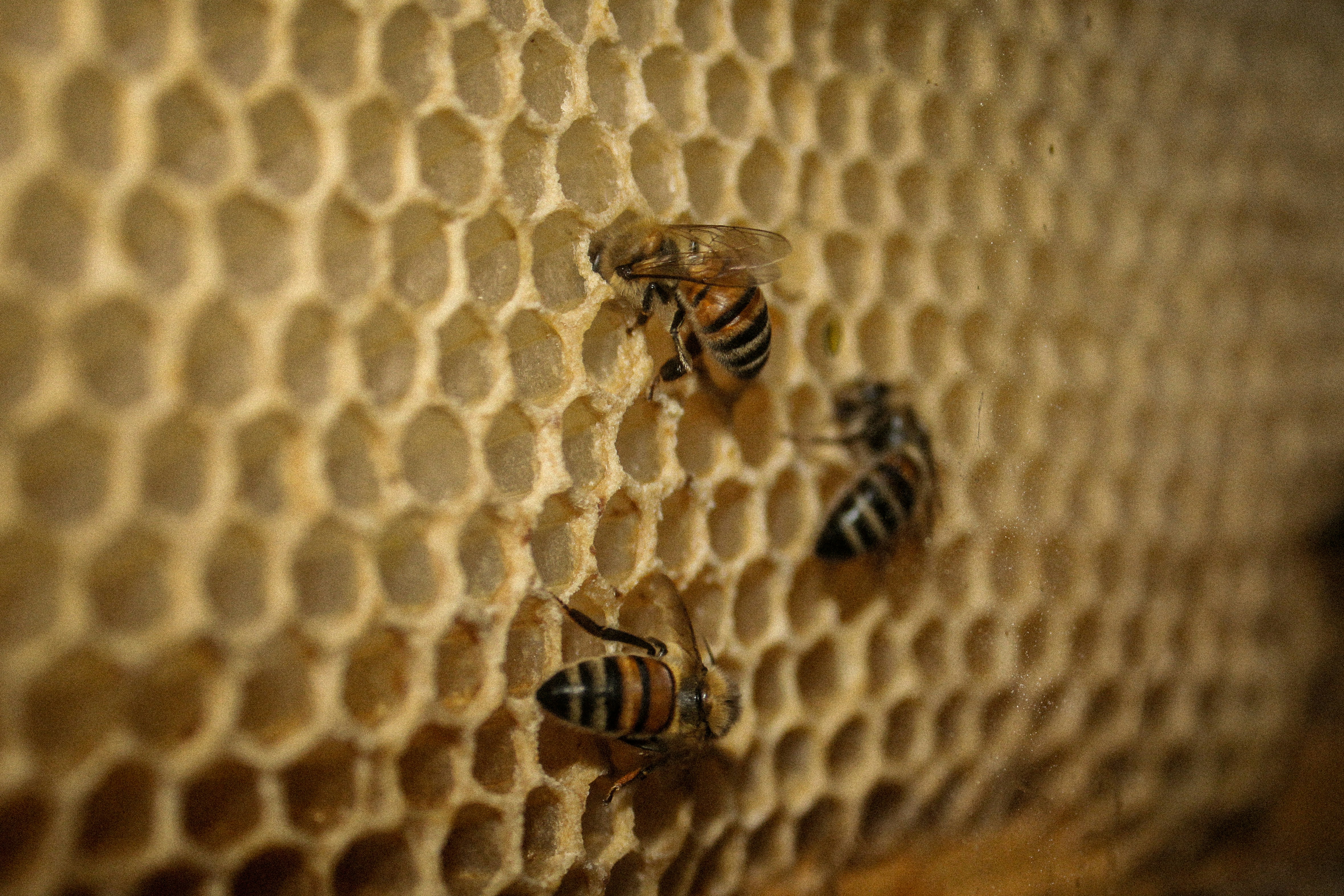
The Role of Worker Bees in the Hive
The worker bees play a vital role in the functioning and survival of their hive. Acting as the backbone of the colony, these bees are tasked with multiple essential duties that collectively contribute to the hive’s prosperity. One of their primary responsibilities includes foraging for food, which involves collecting nectar and pollen from flowers. This activity not only provides sustenance for themselves but is crucial for nourishing the queen and the developing larvae. The nectar they gather is transformed into honey through a process of digestion and evaporation, serving as a vital food source during scarce times.
In addition to foraging, worker bees are responsible for caring for the queen bee and her young. They meticulously feed the larvae with a special substance called royal jelly, which promotes healthy growth. The worker bees also maintain the hive’s environment by performing essential cleaning tasks, such as removing waste and debris, ensuring that the hive remains hygienic and suitable for its inhabitants. This level of care and attention to cleanliness helps prevent diseases that could threaten the colony’s survival.
Furthermore, worker bees exhibit a fascinating social structure and hierarchy. The colony operates as a cohesive unit, with each bee understanding its role. Some worker bees focus on foraging, while others may engage in nursing duties or hive maintenance. Their ability to communicate efficiently, primarily through pheromones and the famous ‘waggle dance’, allows them to coordinate tasks and share critical information regarding food sources and hive conditions. This collaborative spirit is what sustains the hive, making worker bees indispensable to the continued flourishing of their colony.
Communication and Navigation Skills of Worker Bees
Worker bees possess remarkable communication and navigation skills, integral to their role within the hive. One of the most fascinating methods of communication is the well-known ‘waggle dance.’ This behavior is critical for relaying information about the location of food sources. When a worker bee discovers a rich supply of nectar or pollen, she returns to the hive and performs this unique dance on the honeycomb. The pattern of the dance communicates both the distance and direction of the resource relative to the sun.
The waggle dance involves a series of movements where the bee waggles its body while moving in a figure-eight pattern. The duration of the waggle phase indicates the distance to the food source, while the angle at which the bee dances in relation to the vertical comb signifies the direction. This sophisticated method allows fellow bees to efficiently locate food, ensuring that the colony thrives.
In addition to dance communication, worker bees excel in navigation. They utilize various environmental cues to find their way, including landmarks, the position of the sun, and even their innate ability to detect the Earth’s magnetic field. This ability allows worker bees to travel considerable distances—sometimes several miles—to gather resources. Once they have completed their foraging, they can navigate back to the hive with impressive accuracy, despite the complex surroundings.
Moreover, bees have been shown to be capable of learning and memory, which further enhances their navigation skills. Through repetition and experience, worker bees can adjust their foraging routes, making them more efficient. In summary, the combination of the waggle dance and keen navigation abilities illustrates the sophisticated communication methods worker bees employ to support their colony’s needs.
Life Cycle of a Worker Bee
The life cycle of a worker bee is a fascinating journey that begins as an egg and progresses through several distinct stages. A queen bee lays fertilized eggs in individual hexagonal cells, and these eggs hatch into larvae about three days after being laid. The larvae are initially fed royal jelly, a nutrient-rich secretion, which is crucial for their development.
After approximately six days, the larvae enter the pupal stage, where they undergo a remarkable transformation in a sealed cell, ultimately emerging as adult worker bees after about 12 days. Remarkably, this entire developmental process—from egg to adult—takes roughly 21 days. This is in contrast to queens and drones, which have longer life cycles; queens take about 16 days to develop, while drones take around 24 days.
Once emerged, worker bees typically inhabit different roles throughout their life, influenced primarily by their age and the immediate needs of the colony. Younger worker bees are often responsible for tasks within the hive, such as feeding larvae, cleaning cells, and producing honey. As they mature, they transition to foraging outside the hive for nectar and pollen. This shift usually occurs around three weeks of age.
The lifespan of worker bees varies significantly; they may live only a few weeks during the busy summer months but can survive for several months during the winter, when the demands on the colony lessen. The ability to adapt their roles and lifespan showcases the colony’s overall efficiency and the vital role that worker bees play in sustaining the hive and contributing to the ecosystem. A deeper understanding of their life cycle highlights the intricate social structure and the remarkable capabilities of these industrious insects.
The Importance of Worker Bees to Ecosystems and Agriculture
Worker bees play a crucial role in both natural ecosystems and agricultural systems through their remarkable ability to pollinate a myriad of flowering plants. Pollination is essential for the reproduction of many plants, thereby supporting biodiversity. Over 80% of flowering plants depend on animal pollinators, with honeybees being one of the most effective agents.
In agriculture, worker bees are indispensable for the production of fruits, vegetables, and nuts. They enhance crop yields by facilitating cross-pollination, which improves genetic diversity and resilience in plant populations. Studies have shown that the presence of worker bees can significantly increase the quantity and quality of agricultural produce. For instance, crops like apples, blueberries, and almonds heavily rely on the activity of pollinators. The absence of these vital insects could lead to a decline in food production, threatening food security.
Despite their importance, worker bees face several threats that jeopardize their populations and, consequently, the ecosystems and agricultural systems they support. Pesticide exposure, habitat loss, climate change, and diseases are among the primary factors contributing to the decline of bee populations globally. This decline can have dire implications, including reduced pollination services, which could disrupt plant reproduction and lead to lower food production and increased vulnerability in natural ecosystems.
Efforts to protect worker bees are essential for maintaining healthy ecosystems and sustainable agriculture. Strategies include promoting pollinator-friendly practices in farming, conserving wild habitats, and reducing pesticide usage. By safeguarding these industrious insects, we can ensure the health of ecosystems and the stability of food systems worldwide.